Internal organs

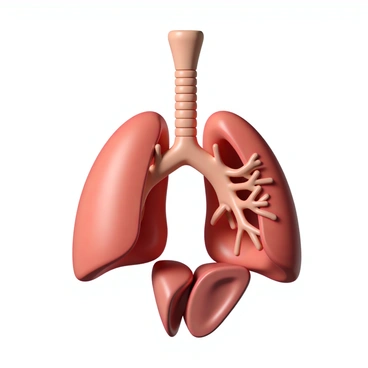
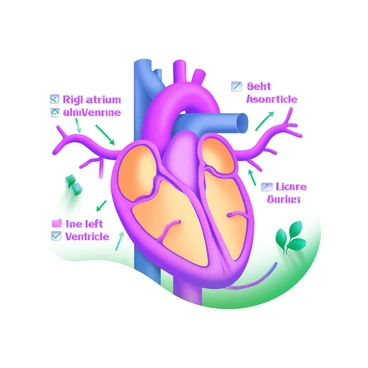
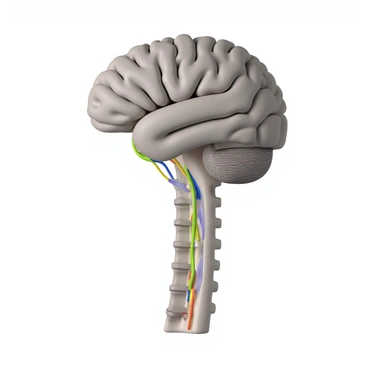
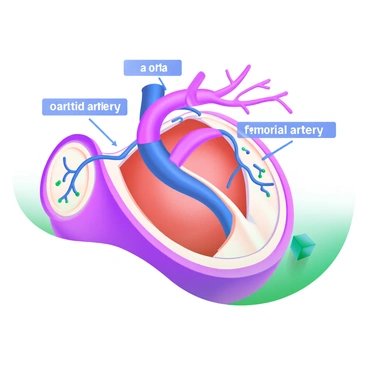
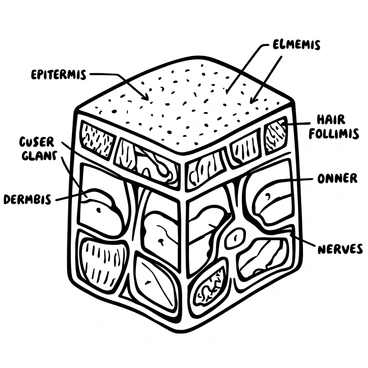
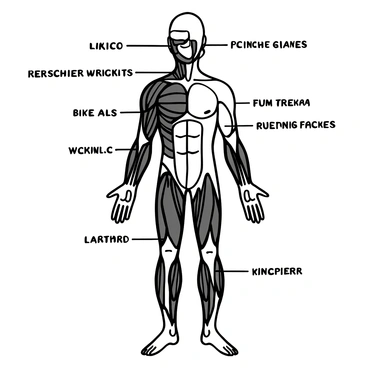
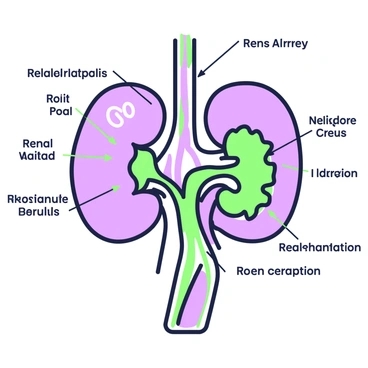
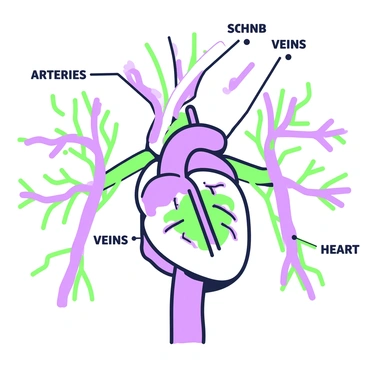
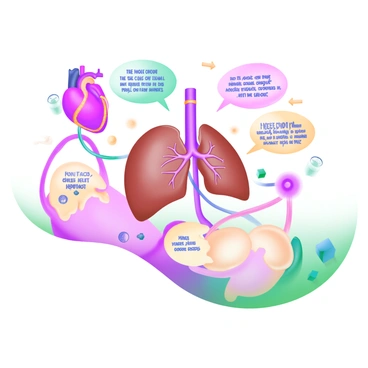
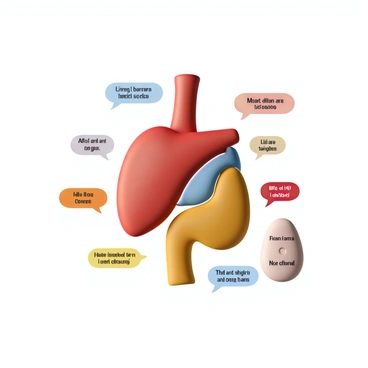
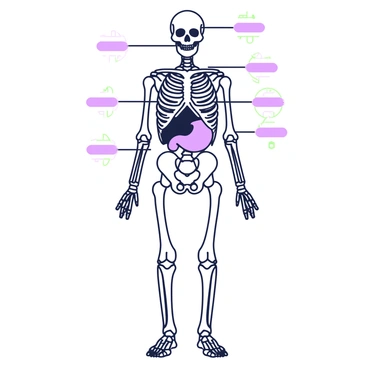
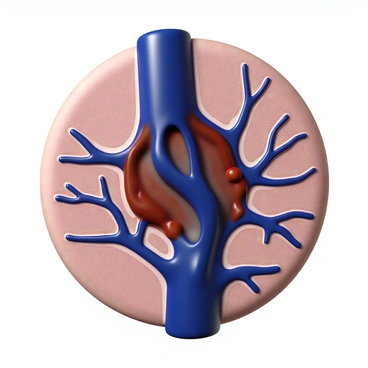
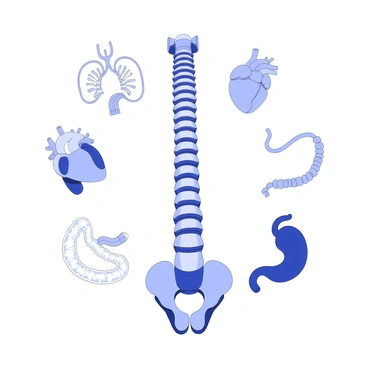
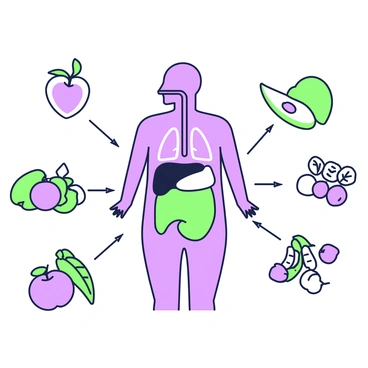
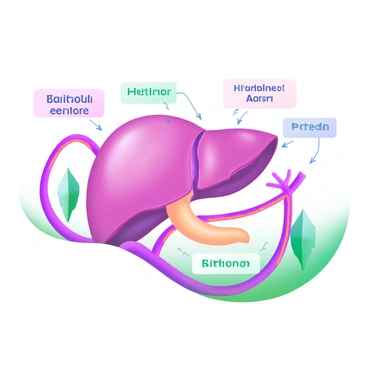
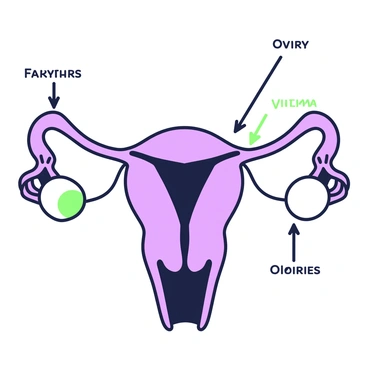
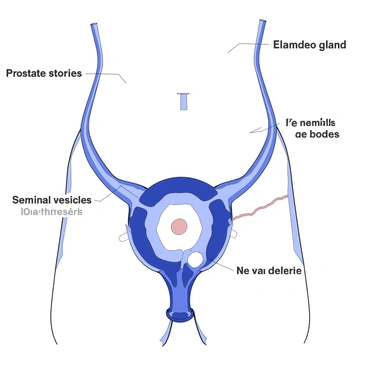
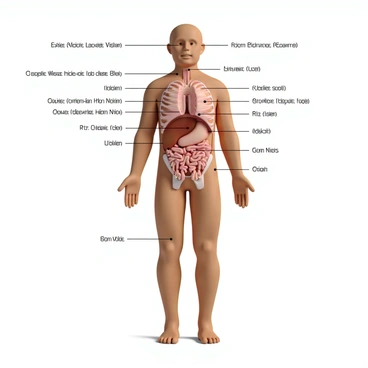
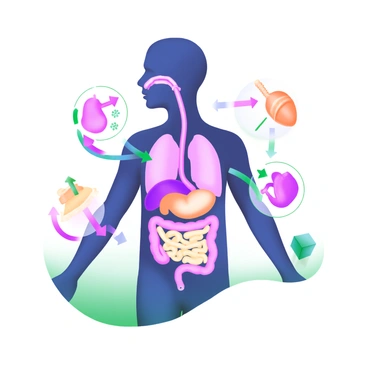
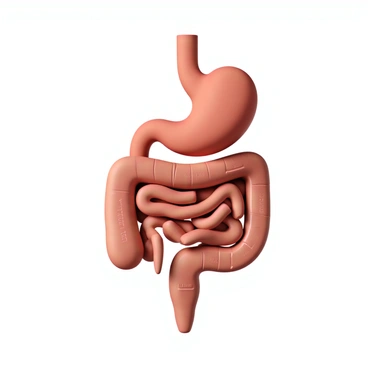
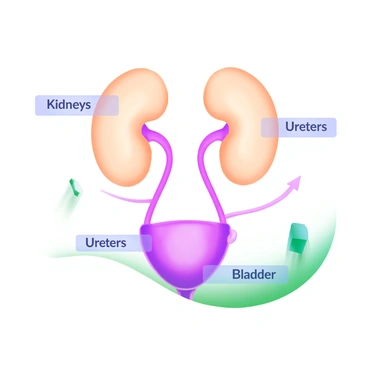
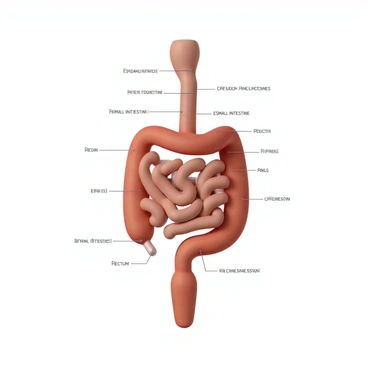
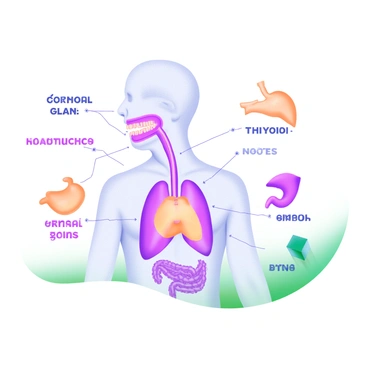
A detailed cross-sectional view of the human lungs showing the internal structures. The image prominently features the bronchi, which are branched tubes leading to the lungs, displaying their complex network. The alveoli, small air sacs where gas exchange occurs, are illustrated in a clustered arrangement, showcasing their intricate details. The lung tissues surrounding the bronchi and alveoli are textured and realistic, highlighting the delicate nature of the respiratory system.A modern pastel illustration of a human brain, vividly colored to represent its various lobes. Each lobe, such as the frontal, parietal, temporal, and occipital lobes, is distinctly shaded in different hues like pink, green, blue, and yellow. The illustration includes labeled sections for each lobe, with arrows pointing to specific areas, indicating different functions such as movement, sensation, hearing, and vision. A subtle grid pattern can be seen in the background, enhancing the scientific aspect of the image.A microscopic view displaying several human cells in close-up. Each cell's membrane is clearly defined, showcasing its shape and texture. Within the cells, various organelles can be seen, such as rounded mitochondria and a network of endoplasmic reticulum. Nuclei are visible, revealing dense chromatin and a prominent nucleolus. Some cells display vesicles and lysosomes, indicating active metabolic processes. The overall arrangement shows a variety of cell types, emphasizing the complexity and diversity of human cellular structures.A detailed view of the human thoracic cavity is displayed. In the center, there is a heart, showing its chambers and major arteries, with a distinct texture and color variation. Flanking the heart are two lungs, each with a complex structure of alveoli and bronchi. The ribs are visible surrounding the thoracic cavity, providing a framework. The diaphragm is located at the bottom of the cavity, slightly elevated. Blood vessels and nerves can be seen interconnecting between these organs, adding to the intricate detail of the anatomy.A detailed illustration of the human respiratory system. The image prominently features the "trachea," a tube-like structure extending from the throat. The "lungs" are shown on either side of the trachea, displaying their spongy texture and lobed structure. The bronchial tubes branch out from the trachea into the lungs. The diaphragm is visible beneath the lungs, indicating its role in respiration. Additional details include blood vessels and alveoli, showcasing the intricate network involved in gas exchange. The overall composition emphasizes the connectivity and function of each component.A detailed illustration of the human heart is prominently displayed at the center of the image. The heart is shown in vibrant colors, highlighting its four chambers: the right atrium, right ventricle, left atrium, and left ventricle. Each chamber is labeled clearly with "Right Atrium," "Right Ventricle," "Left Atrium," and "Left Ventricle" in bold, easy-to-read font. Arrows indicate the flow of blood, visually representing the path from the body to the right atrium, through the right ventricle, to the lungs, and returning to the left atrium and left ventricle. Surrounding the heart are labeled blood vessels, including the aorta, pulmonary arteries, and veins, enhancing the educational aspect of the illustration.An illustration representing the concept of organ transplantation. In the center, there is a stylized heart being held by two hands, symbolizing care and life. To the left, there is a tree with branches extending outwards, each branch featuring a different organ such as a kidney, liver, and lung, representing the interconnectedness of life. The background includes a circular pattern, emphasizing the cycle of donation and renewal, while soft lines connect the organs to the heart, indicating the flow of life and health.A detailed 3D render of the human nervous system, showcasing the brain and spinal cord. The brain is depicted in shades of gray with intricate textures, situated at the top center of the image. The spinal cord extends downward, with a series of vertebrae visible alongside it. Colorful neural pathways branch out from the brain and spinal cord, illustrating the network of nerves throughout the body. Each nerve is represented in vibrant colors, creating a striking contrast against the neutral tones of the brain and spinal cord. The overall composition emphasizes the complexity and interconnectedness of the nervous system.A close-up illustration of the human arterial system displaying "key arteries" in vibrant red and blue hues. The image features major arteries such as the "aorta," "carotid artery," and "femoral artery," clearly labeled in white text. Each artery is depicted with detailed textures and branching patterns, showcasing the complex network throughout the body. The background consists of a subtle gradient, enhancing the visibility of the arteries while maintaining focus on the intricate details of the arterial system.An illustration of human skin layers, showcasing the outer epidermis, the middle dermis, and the inner hypodermis. The illustration includes embedded organs such as "sweat glands" and "hair follicles," clearly labeled for easy identification. The texture of the skin is detailed, displaying small contours and variations to represent realism. Additionally, "blood vessels" and "nerves" are depicted within the dermis, illustrating their connection to the skin.A black-and-white illustration depicting a detailed view of human muscles. The illustration shows the human body with clear delineation of major muscle groups such as the pectorals, biceps, triceps, quadriceps, and hamstrings. Each muscle group is labeled with text in a clear font, and the anatomy is presented in layers to highlight the structure and relationships between muscles. The background is left empty to focus solely on the musculature.An illustration of a human kidney is centered in the image, featuring a detailed anatomy of the organ. The kidney is depicted with various labeled parts, including the renal cortex, renal medulla, and renal pelvis. Colorful arrows indicate the flow of blood entering through the renal artery and exiting through the renal vein. Additionally, the nephron structure is highlighted, showing the glomerulus and tubules involved in the filtration process, with labeled sections indicating the reabsorption and secretion functions. The entire illustration is clear and educational, providing a comprehensive view of kidney anatomy and function.An illustration of the human circulatory system is displayed prominently. The design includes detailed representations of arteries and veins throughout the body. The arteries are depicted in a branching pattern, clearly demonstrating their path from the heart. The veins are shown alongside the arteries, illustrating their return route to the heart. The heart itself is centrally located, filled with intricate details, pumping blood through the network. Each component is accentuated with green outlines to highlight the structure and flow of the circulatory system. Labels identify key parts such as "arteries," "veins," and "heart," providing a clear educational context for the viewer.An illustration presenting a collection of fun facts about various internal organs arranged in a playful layout. The heart is depicted in vibrant red, surrounded by fact bubbles that contain intriguing tidbits about its function and significance. The liver is shown in a rich brown color, with playful icons and text detailing its roles in digestion and detoxification. The lungs are illustrated in light pink, with whimsical clouds representing the oxygen they process, accompanied by fun facts about respiration. The kidneys are depicted in a soft yellow shade, with small arrows and playful graphics explaining urine production. Each organ is interconnected with colorful lines, creating a dynamic and engaging flow. The background uses gentle pastel colors to enhance the playful theme.A vibrant illustration showcasing healthy organs, including a heart, lungs, and kidneys. Surrounding these organs are various fruits and vegetables, such as bright red apples, leafy green spinach, vibrant orange carrots, and yellow bananas. Each fruit and vegetable is carefully arranged to highlight the connection between nutrition and organ health. The background is filled with soft pastel colors to enhance the overall cheerful theme of the illustration.A colorful map illustrating the human internal organs, displaying each organ in distinct hues. The heart is prominently featured in vibrant red, the lungs in soft blue, and the liver in golden yellow. Each organ is clearly labeled with bold, easy-to-read fonts. Surrounding the organs are fun facts presented in colorful speech bubbles, adding an educational element to the map. The overall layout is engaging and designed for educational purposes, making it suitable for students and learners.An illustration of a human skeleton positioned upright and facing forward. The skeleton is detailed, showcasing bones such as the skull, ribs, and limbs. Overlaying the skeleton is a transparent representation of vital organs. The heart, lungs, and stomach are clearly defined within the overlay, each organ highlighted for visibility. The illustration includes labels for each organ, with lines connecting the labels to their corresponding organs. The overall composition is clean and informative, providing a clear view of the human anatomy.A detailed view of human veins showcasing their intricate structure. The veins are depicted in a rich, deep blue color, demonstrating the flow of blood within them. Some veins are shown with thin walls while others are thicker, illustrating the varying sizes. The surrounding tissues are depicted in a lighter tone to provide contrast. Red blood cells are visible flowing smoothly within the veins, emphasizing the movement of blood. The overall composition focuses on the complexity and connectivity of the venous system in the human body.A detailed illustration of human vertebrae positioned vertically in the center of the image. Surrounding the vertebrae, there are various internal organs such as the heart, lungs, stomach, and intestines arranged in a clear, organized manner. Each organ is depicted with identifiable shapes and structures, showcasing their anatomical features. The overall composition focuses on the anatomical relationship between the vertebrae and the organs, emphasizing their interconnectedness.An illustration displaying the connection between nutrition and human organs. In the center, there is a large human silhouette, filled with various organs such as the heart, lungs, and stomach. Surrounding the silhouette are different types of food, including fruits, vegetables, grains, and proteins. Each food item is pointing towards specific organs, visually indicating their impact on health. Small arrows connect the food to organs, emphasizing the relationship between nutrition and well-being. The overall composition is organized and balanced, providing a clear visual narrative.A modern pastel illustration of a human liver displayed prominently in the center. The liver is depicted with clear divisions showcasing its lobes: the left lobe, right lobe, and caudate lobe. Surrounding the liver are colorful depictions of the blood supply, including the hepatic artery and the portal vein, with arrows indicating blood flow. Small labels identify each lobe and blood vessel, using a soft, readable font. The liver texture is smooth, and the colors are soft and inviting, emphasizing the anatomical details.An illustration of the female reproductive system is shown in a clear and educational manner. The uterus is depicted at the center, clearly outlined, with its muscular walls and cervix visible. To the left and right of the uterus, the ovaries are marked, illustrating their rounded shape. The fallopian tubes connect the ovaries to the uterus, arching gracefully over the top. Each element is labeled for clarity, with arrows pointing to the ovaries and uterus, emphasizing their anatomical significance.A detailed illustration of the male reproductive system. The image features the external genitalia, including the penis and scrotum. Inside the body, the prostate gland is prominently shown, located just below the bladder. The testes are depicted within the scrotum, displaying their shape and the blood vessels connecting them. The image also includes the seminal vesicles and the vas deferens, illustrating their pathways in relation to the prostate and testes. Each component is labeled clearly for educational purposes.An informative illustration of the human lymphatic system, showcasing a detailed and labeled diagram. The lymphatic system includes various lymph nodes scattered throughout the body, with a focus on those located in the neck, armpits, and groin. The vessels are depicted in a network-like structure, connecting the lymph nodes and extending throughout the body. Each component is clearly defined, with lines indicating the flow of lymph and annotations explaining the function of different parts of the system. The color scheme is used to differentiate between lymphatic vessels, lymph nodes, and surrounding anatomical structures.A modern pastel illustration showing a human silhouette with various internal organs highlighted inside the body. The organs include the stomach, intestines, lungs, and heart, each depicted in different pastel colors. Arrows connect the organs to illustrate the processes of digestion and respiration. The stomach is shown with food particles entering, while the lungs display air flowing in and out. The heart has arrows indicating blood circulation. The background is light and unobtrusive, emphasizing the vibrant colors of the organs.An educational illustration of the human digestive system, prominently featuring the "stomach" and "intestines." The stomach is depicted as a large, muscular organ, showing its shape and texture. The intestines are represented in their elongated and coiled form, with clear sections for the "small intestine" and "large intestine." The illustration includes arteries and veins for better anatomical understanding, with labels for each part, ensuring clarity and educational value. The overall color scheme is anatomical and realistic, enhancing the detail and accuracy of the representation.A detailed anatomical illustration of the human urinary system. The image prominently features two kidneys, which are bean-shaped and colored a light beige, positioned towards the upper part of the illustration. Below the kidneys, the ureters are depicted as thin tubes connecting to a central bladder, which is rounded and slightly darker in color. The bladder is shown at the bottom of the illustration. Several labels are placed near each organ, including "Kidneys," "Ureters," and "Bladder," in clear, legible text. The background is soft and unobtrusive, allowing the anatomical details to stand out clearly.A detailed illustration showing the human gastrointestinal tract. Starting at the "mouth," depicted with teeth and a tongue, followed by the "esophagus," a muscular tube leading to the "stomach," which is shown as a pouch-like organ. Next, the "small intestine" appears as a long, coiled structure, with visible villi along its inner walls. The "large intestine" is wider and shorter, leading to the "rectum" and the "anus," both clearly identified at the end of the tract. Each segment is labeled with clear text, and anatomical features are highlighted for educational purposes.A detailed diagram of the human endocrine system showcasing major glands. The illustration includes the "thyroid" gland located in the neck area, represented in a clear shape. The "pancreas" is depicted in its anatomical position, illustrating its role in the digestive system. Additional glands such as the "pituitary gland," "adrenal glands," and "gonads" are also included, each marked with labels for identification. The diagram features organized lines connecting these glands, indicating their interactions within the endocrine system. The overall layout is clean and informative, making it easy to understand the relationships between the different glands.
コミュニティ内で何も見つかりませんでした